Sexual & Gender-Based violence prevention education & Training


Sexual Violence Prevention Education
Education empowers us to foster safer communities, better support survivors, and prevent gender-based violence.
Our initiatives include curriculum for children and youth, adult programming and community workshops, plus professional development.
Our Mission and Vision
The mission of the Sexual Assault Support Centre of Waterloo Region (SASC) is to support survivors of sexual violence. Through education and advocacy, we work to transform systems that promote gender-based violence.
Our Approach
SASC provides direct support to survivors of sexual and gender-based violence. Our Public Education team bring this front-line knowledge into our programming, using an evidence-based, trauma-informed approach.
SASC is an anti-racist, intersectional-feminist organization.
Questions?
Contact Karley Doucette, our Education and Communications Manager
karley@sascwr.org OR 226-786-4023
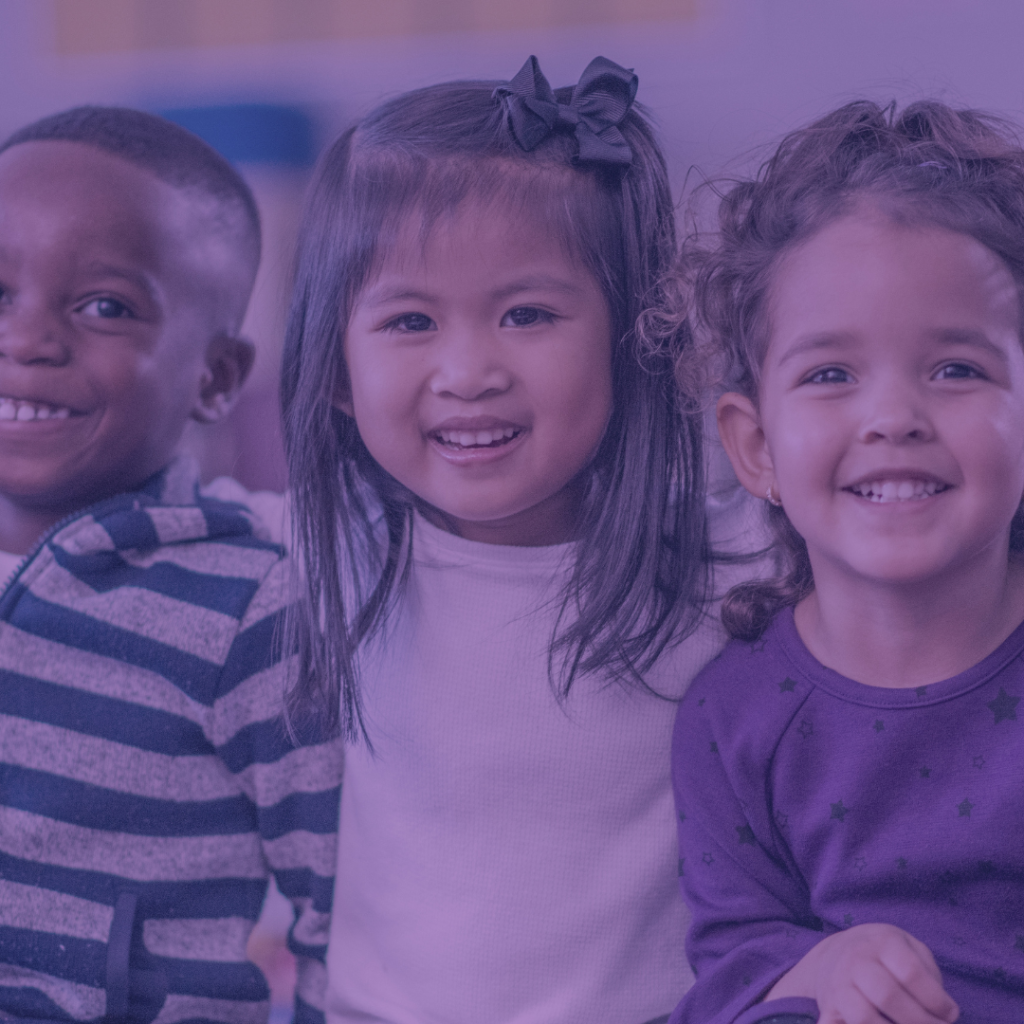
My Body is Mine (Pre-School/Primary)
Pre-school to Grade 3
- Session One: All about my body (age-appropriate anatomy)
- Session Two: Consent
- Session Three: Saying “no” and finding help
This is a three-part series for elementary school students of all genders. Each session builds on the last to support students’ learning about consent and healthy relationships in an age-appropriate manner. Content is adjusted based on the age of the students participating. For example, for younger grades, the facilitator will focus on hugs and friends while for older grades we will start to explore sexual consent and dating relationships. Each session in the Culture of Consent series requires 60-75 minutes to facilitate.
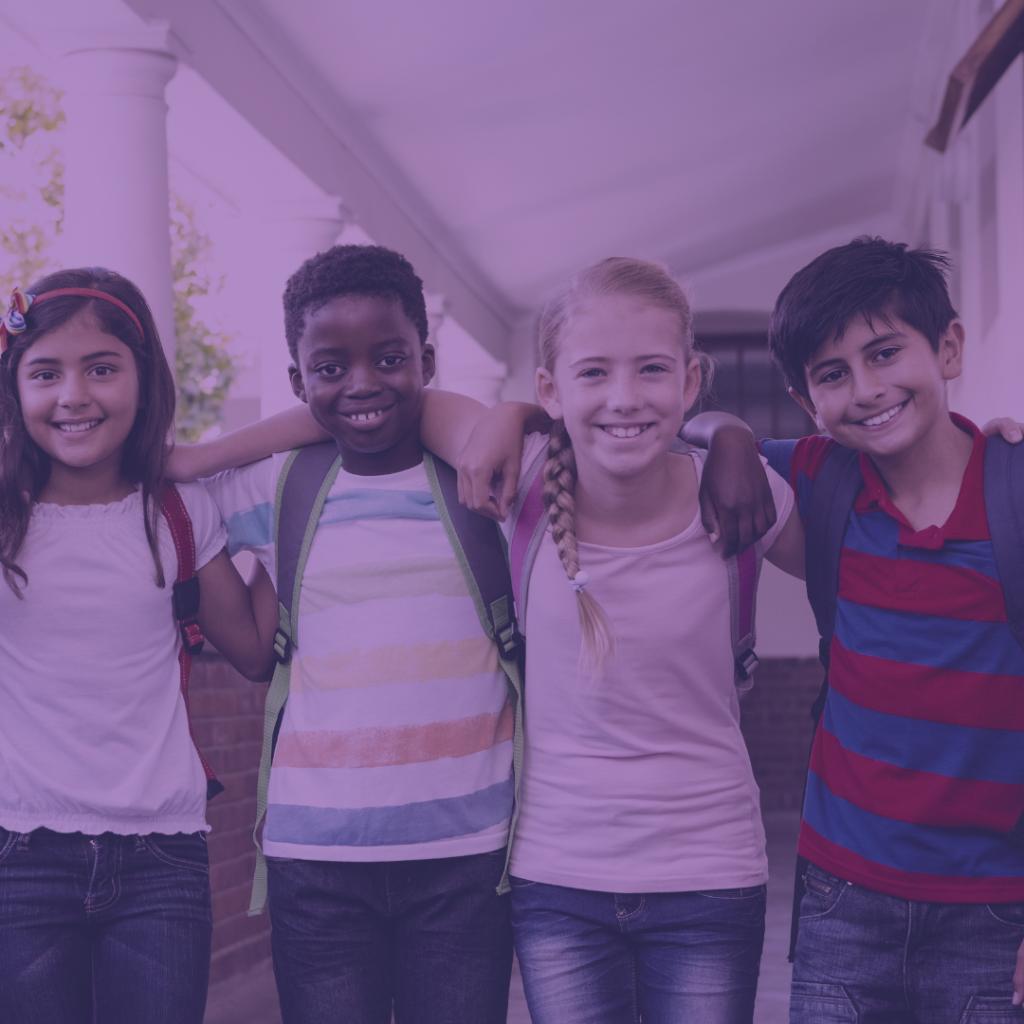
Culture of Consent (Junior/Intermediate)
Grades 4-8
- Session One: Healthy relationships and consent
- Session Two: Boundaries and saying “no”
- Session Three: Being an empathetic and supportive friend
This is a three-part series for elementary school students of all genders. Each session builds on the last to support students’ learning about consent and healthy relationships in an age-appropriate manner. Content is adjusted based on the age of the students participating. For example, for younger grades, the facilitator will focus on hugs and friends while for older grades we will start to explore sexual consent and dating relationships. Each session in the Culture of Consent series requires 60-75 minutes to facilitate.
Recognizing Exploitation (Junior/Intermediate)
Grades 6-8
- Session One: Healthy relationships and exploitation
- Session Two: Online safety
- Session Three: Supporting yourself and others
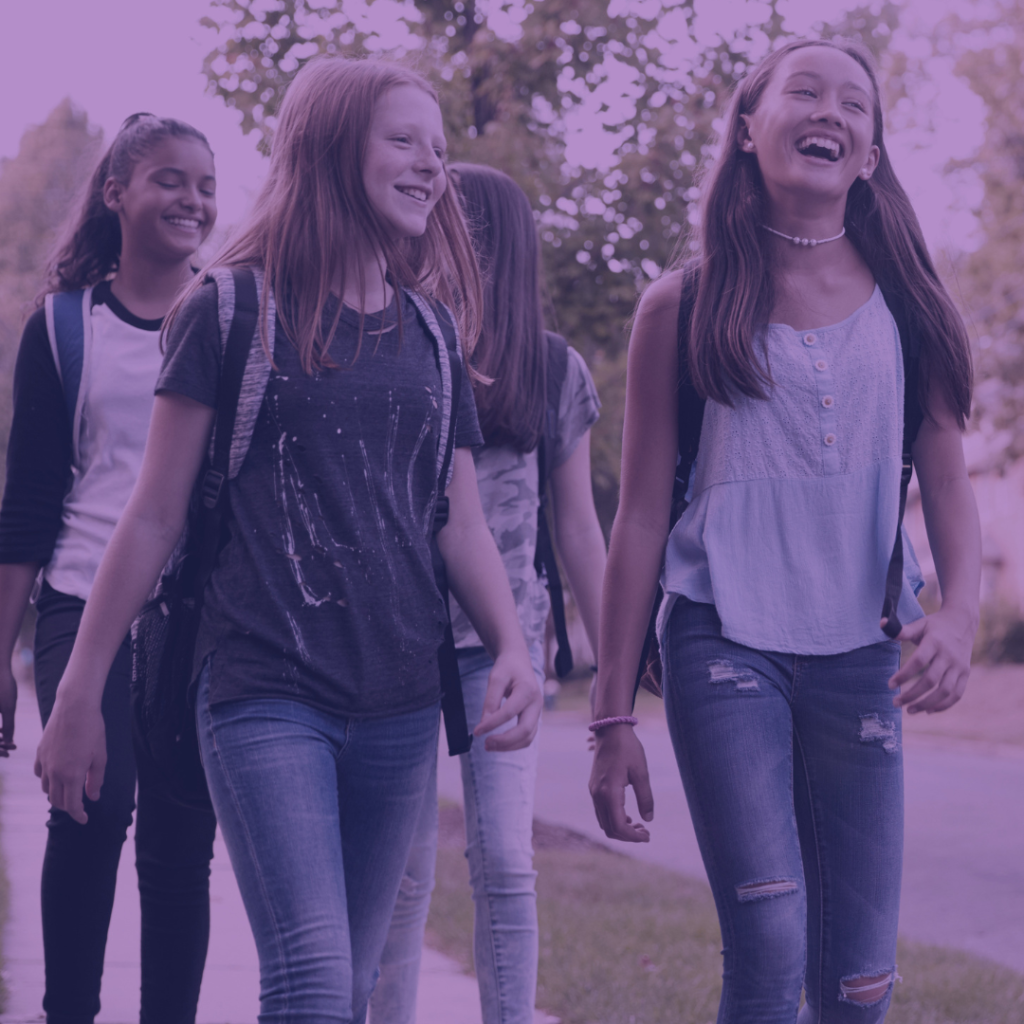
This is a three-part prevention education series for youth of all genders focused on recognizing exploitation in both online and in-person relationships and interactions. Each session builds on the last to support students in developing skills to recognize grooming, coercion, manipulation, unhealthy relationship dynamics, and exploitation. The program uses an age-appropriate, trauma-informed, and prevention-focused approach to build students’ confidence, critical thinking skills, and ability to seek support for themselves or others. Each session in the Recognizing Exploitation series requires 45-60 minutes to facilitate.

Culture of Consent (Intermediate/Senior)
Grades 9-12
- Session One: Healthy relationships and consent
- Session Two: Bystander intervention
- Session Three: Trauma, mental health, and responding to disclosures of sexual violence
This is a three-part series for high school students of all genders. Each session builds on the last to support students’ learning about consent and healthy relationships in an age-appropriate manner. Content is adjusted based on the age of the students participating. For high school students, we start to think about the active role we can each play in preventing sexual and gender-based violence. Each session in the Culture of Consent series requires 60-75 minutes to facilitate.
Empower & Allyship (Intermediate/Senior)
Grades 7-12
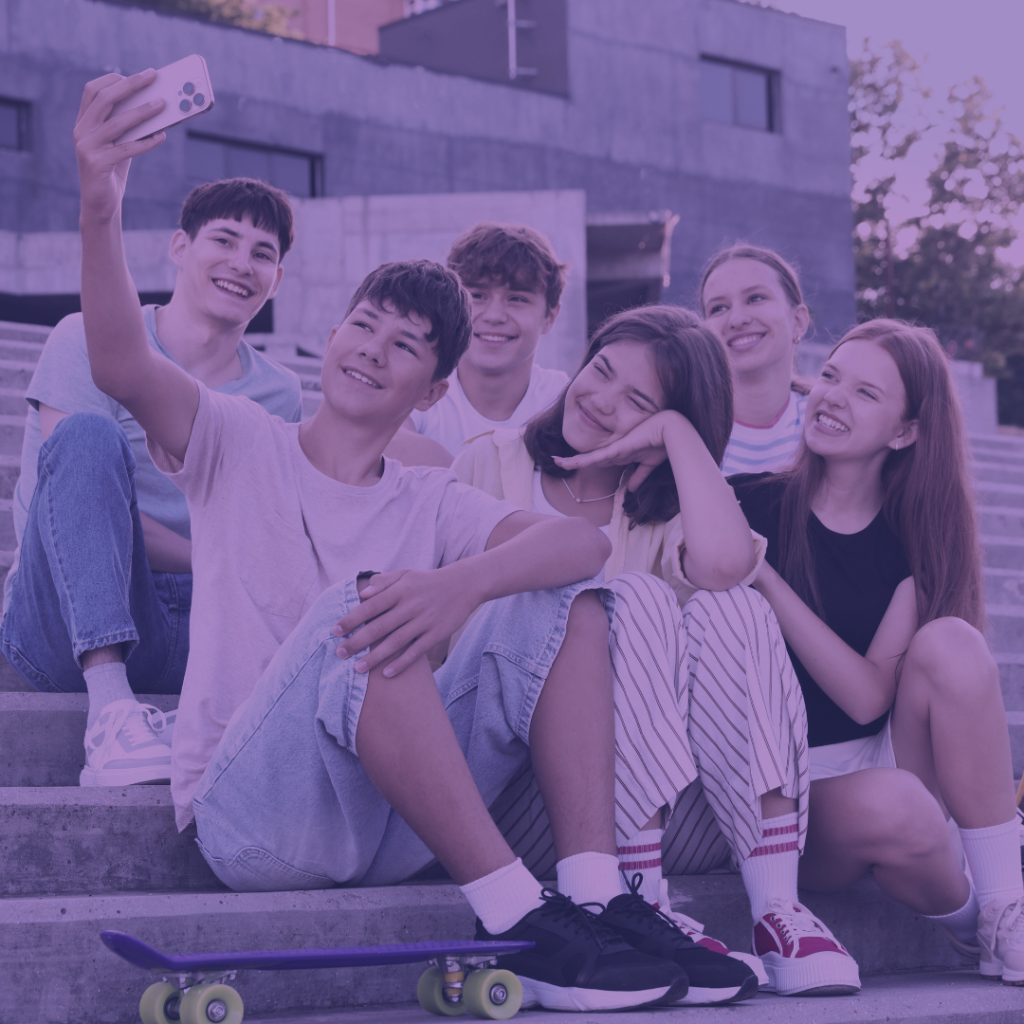
This is a 10-week healthy relationships program for high school-age youth of all genders. Empower and Allyship encourages youth to become leaders in ending gender-based violence. Through interactive activities and engaging discussions, youth will explore topics such as consent, healthy relationships, allyship, and bystander intervention. As part of the program, youth will complete a community project. This is an open-ended, youth-led initiative to educate their community about what they have learned through Empower and Allyship. Each session of Empower and Allyship requires 90 minutes to facilitate.

Young Men’s Group (Intermediate/Senior)
Grades 7-12
This program is focused on the prevention of violence through the promotion of positive, healthy relationships. In small groups over 6 one-hour sessions, trained male facilitators from SASC and Family & Children’s Services Waterloo Region work to create safe spaces for young men to discuss issues such as bullying, dating violence, peer violence, group violence, and mental health. This group has been adapted from “The Fourth R: Healthy Relationships Plus Program,” an evidencebased program designed to increase young men’s relationship-building capacity, healthy communication skills, address risk behaviour, and encourage healthier decisions.
Online Safety & Exploitation
For ages 11+
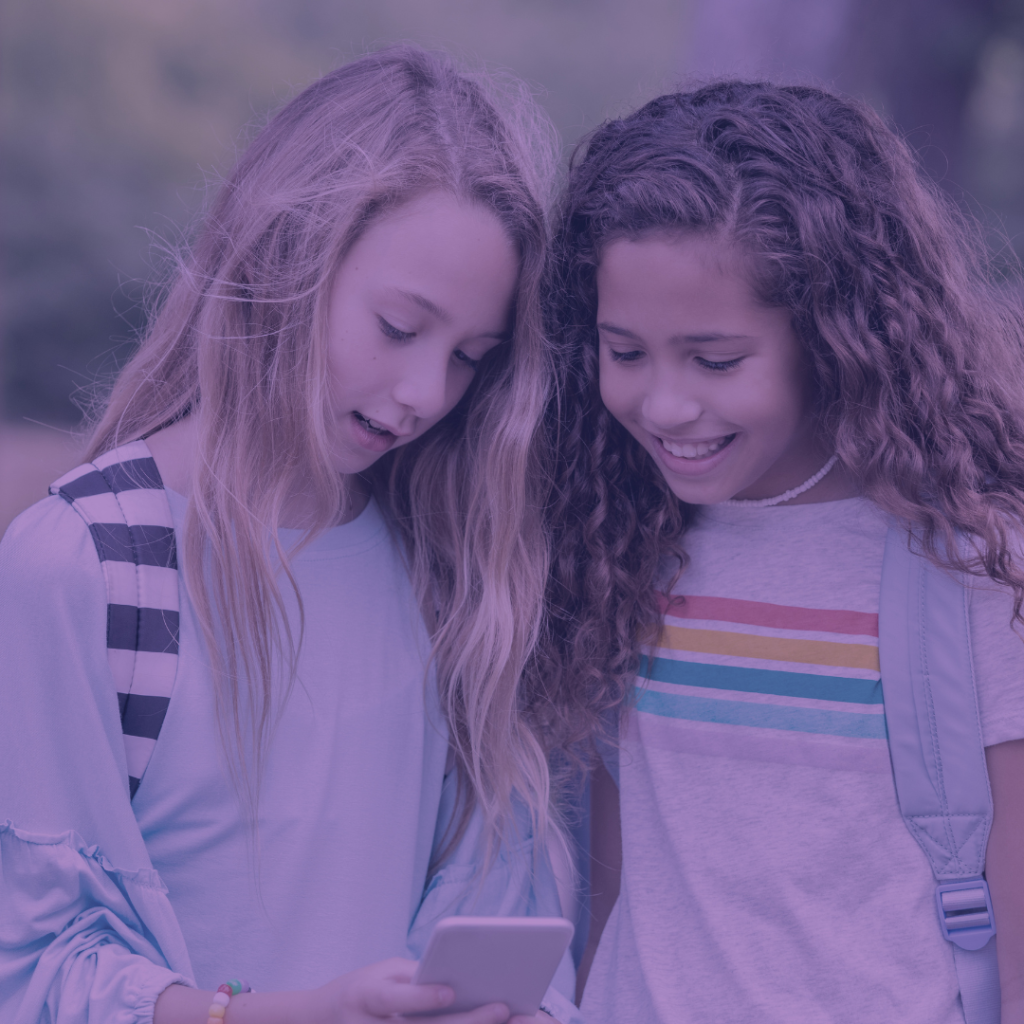
This workshop helps students build skills to navigate online spaces safely while recognizing warning signs of exploitation, grooming, manipulation, and unhealthy online interactions.

Leading By Example Sports Program
For ages 11-15
Healthy Relationships & Consent
For ages 12+
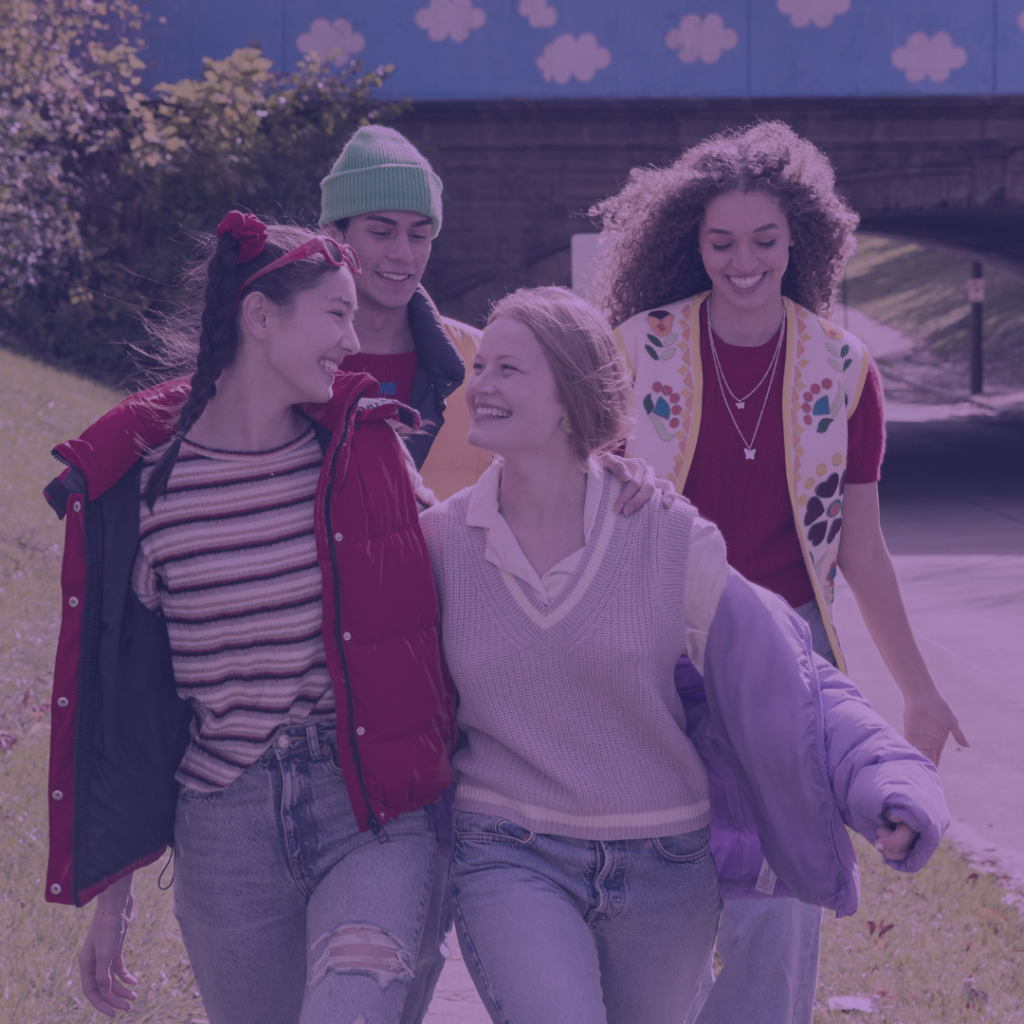
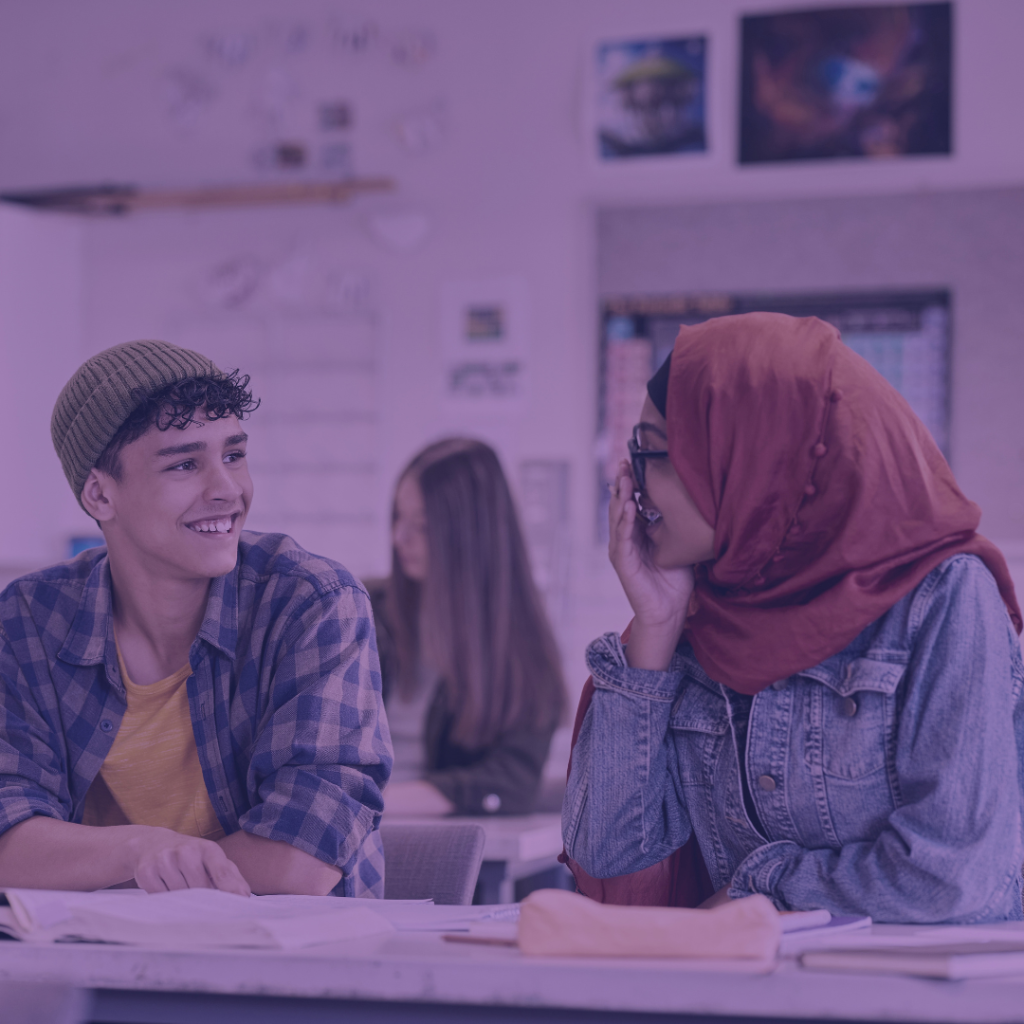
What does a healthy relationship look, sound, and feel like? Youth will critically engage in conversations about healthy and unhealthy behaviours in relationships. Through a discussion about what consent is, what barriers exist in creating a culture of consent, and how to apply consent practices in friendship and sexual contexts, participants will learn ways to incorporate consent into their daily practices.
Bystander Intervention
For ages 12+
Research shows that the most common reason people report not stepping in to prevent sexual violence is that they are not sure what to do. In this workshop, participants will learn practical steps to preventing sexual violence before it happens including addressing rape culture in their everyday lives.

Sexual Exploitation & Human Trafficking
For ages 12+
In this workshop participants will learn what human trafficking is, how to recognize the luring and grooming process, and will leave with a knowledge of local resources.

Navigating Social Media, Sexting, & Nudes
For ages 12+
This workshop will unpack the ways in which social media and other forms of technology impact our relationships. Through honest and shame free conversations, participants will learn about consent in relation to nude photos, cyberbullying, and more.

Communication & Sex
For ages 16+
In this workshop for students aged 16 years and older, we will discuss tools to improve communication in our sexual relationships. Using a want/will/won’t list can help us talk about our boundaries, wants, and needs with a partner. This workshop focuses on themes of pleasure, consent, and intimacy to encourage healthy sexual relationships.

Your Brain on Trauma
For ages 16+
Our brains are incredible and complicated. In this workshop we will talk about how our brains react to danger and trauma. In doing so, we can better understand why we, and others, react in certain ways to triggers and trauma.

Male Allyship
All ages

Healthy Relationships & Consent
What does a healthy relationship look, sound, and feel like? Participants will critically engage in conversations about healthy and unhealthy behaviours in relationships. Through a discussion about what consent is, what barriers exist in creating a culture of consent, and how to apply consent practices in friendship and sexual contexts, participants will learn ways to incorporate consent into their daily practices.

Bystander Intervention
Research shows that the most common reason people report not stepping in to prevent sexual violence is that they are not sure what to do. In this workshop, participants will learn practical steps to preventing sexual violence before it happens including addressing rape culture in their everyday lives.

Sexual Exploitation & Human Trafficking
In this workshop participants will learn what human trafficking is, how to recognize the luring and grooming process, and will leave with a knowledge of local resources.

Responding to Disclosures
This workshop provides participants with practical tools for responding to disclosures of sexual violence with care, compassion, and confidence. Participants learn how to actively listen, validate survivors, maintain boundaries, offer resources and choices, and take care of themselves after receiving a disclosure.

Trauma-Informed Practice
This workshop introduces the principles of trauma-informed practice and explores how trauma can shape people’s experiences, needs, and interactions. Participants learn practical strategies for creating safer, more supportive environments, building trust, offering choice and autonomy, recognizing potential trauma responses, and responding in ways that avoid causing further harm.

Your Brain on Trauma
Our brains are incredible and complicated. In this workshop we will talk about how our brains react to danger and trauma. In doing so, we can better understand why we, and others, react in certain ways to triggers and trauma.

Male Allyship
What does it actually mean to “be a man”? Who gets to decide? In this interactive workshop, participants explore masculinity, gender expectations, and the pressure to “act like a guy.” Together, we’ll talk about healthy masculinity, respect, consent, and what it means to be an ally. Participants will leave with practical ways to challenge harmful behaviours, support their friends, and help create safer spaces for everyone.

Strong Boundaries, Safe Families
In this workshop for parents and caregivers of youth, participants will explore how healthy boundaries, consent, and trust are developed within families. Participants will learn practical strategies for modelling and respecting boundaries, navigating challenges and conflict, supporting young people to communicate their needs, and repairing relationships when boundaries are crossed.

Informed, Not Afraid - Human Trafficking Prevention
In this workshop for parents and caregivers of youth, participants will learn about human trafficking and exploitation, explore the online spaces young people are navigating, and discuss practical strategies for prevention and safety. Participants will also learn how to build open, supportive conversations with youth and connect with resources and supports for themselves and their young people.

Safe & Connected - Supporting Youth Online
In this workshop for parents and caregivers of youth, participants will explore the online spaces young people are navigating, including social media, gaming, and messaging platforms. Participants will learn about online risks, bullying and cyberbullying, warning signs that a young person may be struggling, and practical strategies for supporting safer online experiences. The workshop will also provide tools for having open, ongoing conversations with youth about technology, boundaries, privacy, and getting help when something goes wrong.
Leading By Example Sports Program
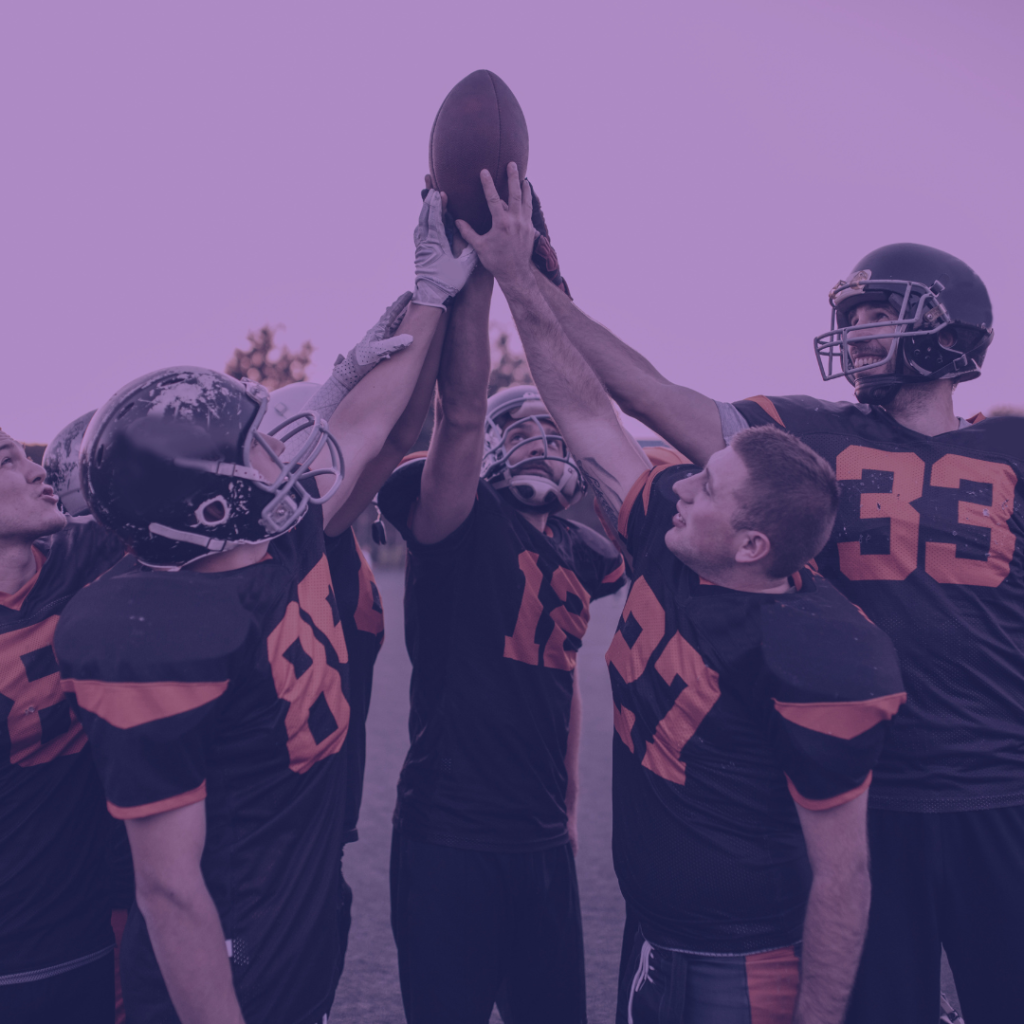
The Leading by Example Sports Program is a three-part workshop series for athletes that uses sport as a starting point for conversations about consent, healthy masculinity, allyship, leadership, and preventing harm. Across three 75-minute sessions, participants explore what authentic consent looks like in relationships, examine how masculinity can shape behaviour and expectations, build practical allyship skills, and consider how they can contribute to safer, more welcoming teams and communities. The series encourages participants to think critically about harmful behaviours and their impacts while giving them concrete strategies to build positive relationships, challenge gender norms, and lead by example both on and off the field.

Bystander Intervention
The bystander intervention workshop focuses on real-life situations employees and management will find themselves in during their day-to-day activities. We build the skills to recognize harmful behaviour and the practical methods to address these situations. Whether ‘calling in’, ‘calling out,’ or deferring to outside help, we provide the tools and resources to leave staff feeling confident in their abilities to respond to and report on harm that can occur in the workplace.
Learning Outcomes:
- Participants will learn how to move from a passive bystander to an active bystander when it comes to sexual harassment in the workplace
- Participants will learn how to support individuals who are on the receiving end of harmful comments and actions
- Participants will understand the complexities of why harm may happen and the best way to move forward after an instance of sexual harassment in the workplace

Responding to Disclosures
How do we communicate to survivors of sexual harassment/violence in our workplace that they matter? This workshop blends trauma-informed best practices with legally mandated responsibilities laid out under federal and provincial/territorial legislation.
Learning Outcomes:
- Participants will learn intersectional and feminist practices to support someone disclosing sexual violence both at work and outside of the workplace.
- Participants will learn how best practices of responding to disclosures can be negatively impacted by the legal system or workplace policies (e.g.,breaking confidentiality, making decisions for the survivor, etc.)
- Participants will gain insight into why so many survivors of sexual violence will choose to never tell anyone, to inform the creation of safer work environments.

Trauma-Informed Practice
This workshop introduces the principles of trauma-informed practice and explores how trauma can shape people’s experiences, needs, and interactions. Participants learn practical strategies for creating safer, more supportive environments, building trust, offering choice and autonomy, recognizing potential trauma responses, and responding in ways that avoid causing further harm.

Sexual Exploitation & Human Trafficking
In this workshop participants will learn what human trafficking is, how to recognize the luring and grooming process, and will leave with a knowledge of local resources.

Raise the Bar
How can we communicate thoughtfully and respectfully at work? Does workplace sexual harassment and gender discrimination still exist? In this engaging workshop, we will examine how different actions, behaviours, attitudes and beliefs contribute to healthy or unhealthy workplaces, such as unconscious biases. We will also learn an introduction to Bystander Intervention with examples to give us practice in positively intervening in potentially harmful situations.
Learning Outcomes:
- Participants will be able to recognize sexual harassment in the workplace
- Participants will learn the basics of how to move from a passive bystander to an active bystander when it comes to sexual harassment in the workplace
- Participants will learn how to support individuals who are on the receiving end of harm
- Participants will gain insight into biases on an individual and societal level, and how to overcome them

Unconscious Biases
This workshop examines six major unconscious biases impacting our ability to be fair and open-minded when addressing gender inequity/sexual harassment. Through safe and accessible activities, participants will gain access to their personal biases and subsequently the ability to create culture shifts.
Learning Outcomes:
- Participants will be able to name and define six major unconscious biases as presented during the workshop
- Participants will gain skills to recognize and learn about their own personal biases
- After learning about how these biases impact our personal actions, participants will be equipped with healthy strategies to disrupt biases at work and elsewhere

Male Allyship in the Workplace
Men commit sexual harassment in the workplace more than other gender groups. Men also account for 90% of top paid C-level positions across Canada. Men, especially in leadership positions, have the power and privilege to stand up to other men who commit sexual harassment in the workplace. Designed primarily to engage men, this workshop aims to develop the skills and strategies to advocate for gender equality in the workplace (and beyond).
Learning Outcomes:
- Participants will gain an understanding of why men have not traditionally been engaged in these conversations and how that sets the stage for failure when tackling issues of sexual violence and gender parity
- Participants will understand that men need to be given the space to learn and unlearn in this important conversation
- Participants will learn that when men are forced into a box of toxic, rigid masculinity it 1) prevents them from opening up when they experience harm and 2) gives other men excuses to ‘opt out’ of this extremely important conversation

Navigating Customers Causing Harm
More than half of Canadian workers experience sexual harassment from customers or third parties. In this workshop, we examine what makes workers more vulnerable to this type of sexual harassment. We examine statistics, trends, and patterns in behaviour in order to recognize the risks and harm that can occur when clients perpetrate sexual harassment against a worker. We also build skills to respond to this type of workplace harm.
Learning Outcomes:
- Participants will learn to apply the definition of sexual harassment to customer behaviours
- Participants will gain intervention strategies for when a customer/third party harasses a worker
- Participants will develop sensitivity in responding to disclosures of this nature
- Participants will acquire skills to create a safer workplace culture that includes both workers and customers/third parties in the solution