School and Community Programming

The Public Education Program at SASC is in community providing prevention education, helping to create cultures of consent.

Sexual Violence Prevention Education
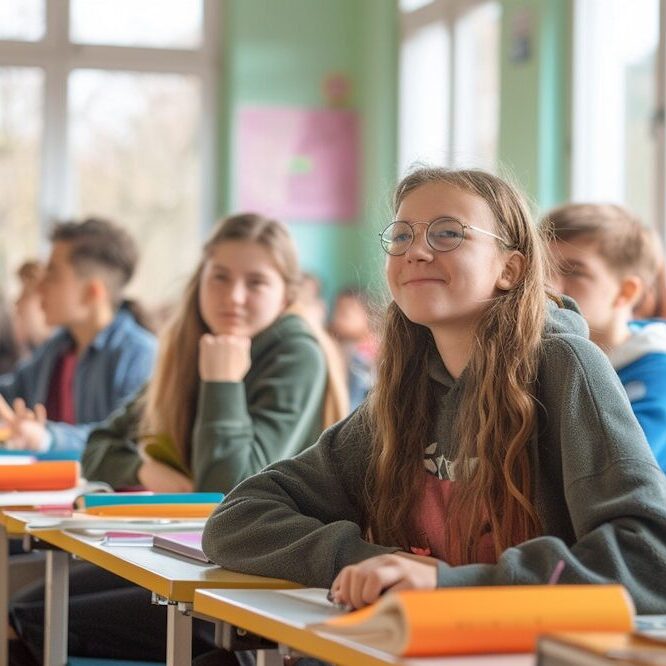
We provide specific programming for elementary and secondary schools, university and college students, workplaces, youth groups, and community organizations. Our school-based programming is age appropriate and aligns with the Ontario Health and Physical Education curriculum. Our highly skilled educators provide evidence-based, trauma-informed, and engaging workshops on consent, healthy relationships, boundaries, trauma, healthy masculinity, sexual exploitation and human trafficking, responding to disclosures, bystander intervention, social media safety, and more. Our educators are also trained in supporting survivors of trauma who disclose their experiences.
Our Mission and Vision
The mission of the Sexual Assault Support Centre of Waterloo Region (SASC) is to support survivors of sexual violence. We listen, facilitate healing, and celebrate resiliency. Using an intersectional feminist approach, we work to transform systems that promote gender-based violence. The vision of the Sexual Assault Support Centre of Waterloo Region is a world without sexual violence and oppression.
Our Approach
Our youth workshops are designed to be activity-based, focusing on discussion and hands-on engagement. We work directly in classrooms, building rapport with students and fostering a space for meaningful conversation. Our educators co-create respectful and inclusive learning environments where students feel empowered to ask questions, share ideas, and reflect on their values and experiences. We prioritize small-group, interactive learning that encourages participation and critical thinking. This approach helps students connect more deeply with the material and supports long-term understanding and behavior change. While we can provide large-group presentations when needed, our experience and research show that smaller, classroom-based sessions are more effective for student engagement and learning. Assembly-style talks will be considered on a case-by-case basis, with priority given to formats that foster interaction, reflection, and meaningful discussion.
Questions?
Contact Karley Doucette, our Education and Communications Manager
karley@sascwr.org OR 226-786-4023

My Body is Mine (Pre-School/Primary)
Pre-school to Grade 3
- Session One: All about my body (age-appropriate anatomy)
- Session Two: Consent
- Session Three: Saying “no” and finding help
This is a three-part series for elementary school students of all genders. Each session builds on the last to support students’ learning about consent and healthy relationships in an age-appropriate manner. Content is adjusted based on the age of the students participating. For example, for younger grades, the facilitator will focus on hugs and friends while for older grades we will start to explore sexual consent and dating relationships. Each session in the Culture of Consent series requires 60-75 minutes to facilitate.
Culture of Consent (Junior/Intermediate)
Grades 4-8
- Session One: Healthy relationships and consent
- Session Two: Boundaries and saying “no”
- Session Three: Being an empathetic and supportive friend
This is a three-part series for elementary school students of all genders. Each session builds on the last to support students’ learning about consent and healthy relationships in an age-appropriate manner. Content is adjusted based on the age of the students participating. For example, for younger grades, the facilitator will focus on hugs and friends while for older grades we will start to explore sexual consent and dating relationships. Each session in the Culture of Consent series requires 60-75 minutes to facilitate.

Culture of Consent (Intermediate/Senior)
Grades 9-12
- Session One: Healthy relationships and consent
- Session Two: Bystander intervention
- Session Three: Trauma, mental health, and responding to disclosures of sexual violence
This is a three-part series for high school students of all genders. Each session builds on the last to support students’ learning about consent and healthy relationships in an age-appropriate manner. Content is adjusted based on the age of the students participating. For high school students, we start to think about the active role we can each play in preventing sexual and gender-based violence. Each session in the Culture of Consent series requires 60-75 minutes to facilitate.

Empower and Allyship (Intermediate/Senior)
Grades 7-12
This is a 10-week healthy relationships program for high school-age youth of all genders. Empower and Allyship encourages youth to become leaders in ending gender-based violence. Through interactive activities and engaging discussions, youth will explore topics such as consent, healthy relationships, allyship, and bystander intervention. As part of the program, youth will complete a community project. This is an open-ended, youth-led initiative to educate their community about what they have learned through Empower and Allyship. Each session of Empower and Allyship requires 90 minutes to facilitate.

Young Men’s Group (Intermediate/Senior)
Grades 7-12
This program is focused on the prevention of violence through the promotion of positive, healthy relationships. In small groups over 6 one-hour sessions, trained male facilitators from SASC and Family & Children’s Services Waterloo Region work to create safe spaces for young men to discuss issues such as bullying, dating violence, peer violence, group violence, and mental health. This group has been adapted from “The Fourth R: Healthy Relationships Plus Program,” an evidencebased program designed to increase young men’s relationship-building capacity, healthy communication skills, address risk behaviour, and encourage healthier decisions.
Healthy Relationships & Consent
For ages 12+
What does a healthy relationship look, sound, and feel like? Youth will critically engage in conversations about healthy and unhealthy behaviours in relationships. Through a discussion about what consent is, what barriers exist in creating a culture of consent, and how to apply consent practices in friendship and sexual contexts, participants will learn ways to incorporate consent into their daily practices.

Bystander Intervention
For ages 12+
Research shows that the most common reason people report not stepping in to prevent sexual violence is that they are not sure what to do. In this workshop, participants will learn practical steps to preventing sexual violence before it happens including addressing rape culture in their everyday lives.

Navigating Social Media, Sexting, & Nudes
For ages 12+
This workshop will unpack the ways in which social media and other forms of technology impact our relationships. Through honest and shame free conversations, participants will learn about consent in relation to nude photos, cyberbullying, and more.

Sexual Exploitation & Human Trafficking
For ages 12+
In this workshop participants will learn what human trafficking is, how to recognize the luring and grooming process, and will leave with a knowledge of local resources.
Your Brain on Trauma
For ages 16+
Our brains are incredible and complicated. In this workshop we will talk about how our brains react to danger and trauma. In doing so, we can better understand why we, and others, react in certain ways to triggers and trauma.

Communication and Sex
For ages 16+
In this workshop for students aged 16 years and older, we will discuss tools to improve communication in our sexual relationships. Using a want/will/won’t list can help us talk about our boundaries, wants, and needs with a partner. This workshop focuses on themes of pleasure, consent, and intimacy to encourage healthy sexual relationships.
Leading by Example Sports Program – Ages 16+
Learning Objectives:
- Provide athletes with an open, supportive, and accountable space to discuss issues related to sexual violence and gender-based violence.
- Promote an understanding amongst athletes of the ways in which the unhealthy stereotypes of masculinity contribute to sexual violence and gender-based violence.
- Provide athletes with healthy counter-narratives of masculinity.
- Encourage critical reflection about what makes a healthy relationship.
- Build athletes’ capacity to become peer leaders and allies in their communities.
Program Outline (each session is 2 hours):
Session 1: Healthy Masculinity
- How stereotypes of masculinity impact ourselves and others
- Redefining masculinity
- How language, actions, and behaviour impact ourselves and others
Session 2: Consent and Healthy Relationships
- The basics of consent
- Creating a culture of engaged consent
Session 3: Bystander Intervention
- How to recognize and interrupt harm
- Allyship and leadership skills

Leading by Example Sports Program - Youth (ages 11 -15)
In 2023, the Rangers Reach (Kitchener Rangers Community Fund) awarded our team with a community impact grant to fund the Leading by Example Community Expansion Project. The goal of this project was to meet the growing needs of youth athletes in Waterloo Region as we adapted the Leading by Example Sports Program to engage in conversations of consent and healthy masculinity with youth athletes between the ages of 11 and 14.
The continued commitment from the Rangers Reach (In the News with SASC – Sexual Assault Support Centre Waterloo Region) provides capacity for our skilled sexual violence prevention educators to facilitate this youth program across Waterloo Region at no cost to teams.
Program Outline (each session is 75 minutes):
Session 1: Consent and Relationships
- Participants can identify the core aspects of authentic consent and the role it plays in personal and community relationships
- Participants can identify harmful behaviours and discuss the causes and consequences of harm on both an individual and societal level
Session 2: Identity and Allyship
- Participants will examine modern constructions of masculinity and discuss healthy alternatives that allow room for individuality and compassion
- Participants will identify and practice key steps in allyship to create a safer and more welcoming community for everyone
Session 3: Leadership and Preventing Harm
- Participants will employ key strategies in preventing harm and discussing the impact of harms identified in previous trainings
- Participants will define what it means for them to be a leader in a changing culture
- Participants will acknowledge what steps can be taken on both a personal and team level to ensure these changes happen

#RaiseTheBar 101
How can we communicate thoughtfully and respectfully at work? Does workplace sexual harassment and gender discrimination still exist? In this engaging workshop, we will examine how different actions, behaviours, attitudes and beliefs contribute to healthy or unhealthy workplaces, such as unconscious biases. We will also learn an introduction to Bystander Intervention with examples to give us practice in positively intervening in potentially harmful situations.
Learning Outcomes:
- Participants will be able to recognize sexual harassment in the workplace
- Participants will learn the basics of how to move from a passive bystander to an active bystander when it comes to sexual harassment in the workplace
- Participants will learn how to support individuals who are on the receiving end of harm
- Participants will gain insight into biases on an individual and societal level, and how to overcome them
Bystander Intervention
The bystander intervention workshop focuses on real-life situations employees and management will find themselves in during their day-to-day activities. We build the skills to recognize harmful behaviour and the practical methods to address these situations. Whether ‘calling in’, ‘calling out,’ or deferring to outside help, we provide the tools and resources to leave staff feeling confident in their abilities to respond to and report on harm that can occur in the workplace.
Learning Outcomes:
- Participants will learn how to move from a passive bystander to an active bystander when it comes to sexual harassment in the workplace
- Participants will learn how to support individuals who are on the receiving end of harmful comments and actions
- Participants will understand the complexities of why harm may happen and the best way to move forward after an instance of sexual harassment in the workplace
Unconscious Biases
In these workshops we examine six majorly researched unconscious biases impacting our ability to be fair and open-minded when discussing, reacting to, responding to, or being preventative of gender inequity/sexual harassment. We cover the Affinity Bias, Attribution Bias, Performance Bias, Likeability Bias, Maternal Bias, and Intersectionality Bias.
Learning Outcomes:
- Participants will be able to name and define the six majorly researched unconscious biases presented during the workshop
- Participants will understand how these biases impact our individual actions as well as the structures of society, and how to begin to disrupt these systems in a healthy way
- Participants will be exposed to real-life situations in order to take abstract learning and make it relatable and easily digestibl

Male Allyship in the Workplace
Men commit sexual violence in the workplace more than other gender groups. Men also account for 90% of top paid C-level positions across Canada. Men need to not just be a part of this conversation but live the truths of equitable justice every day or there will never be a shift.
Learning Outcomes:
- Participants will gain an understanding of why men have not traditionally been engaged in these conversations and how that sets the stage for failure when tackling issues of sexual violence and gender parity
- Participants will understand that men need to be given the space to learn and unlearn in this important conversation
- Participants will learn that when men are forced into a box of toxic, rigid masculinity it 1) prevents them from opening up when they experience harm and 2) gives other men excuses to ‘opt out’ of this extremely important conversation
Navigating Customers Causing Harm
In this workshop, we examine situations that make workers more vulnerable to sexual harassment by a client/customer. We examine this real-life phenomenon through statistics, trends, and patterns in behavior in order to recognize the risks and harm that can occur when clients perpetrate sexual harassment against a worker.
Learning Outcomes:
- Participants will be able to describe and recognize sexual harassment by a client/customer
- Participants will learn strategies for intervening in occurrences of sexual harassment by a client/customer
- Participants will understand how to respond to disclosures of this nature
- Participants will develop an appreciation for how to create a safer workplace culture in which workers feel safe to disclose and prevent sexual harassment by clients/customers